Top Stories
Fertiliser use in India needs a rethink, says Deepak Fertilisers CMD SC Mehta
Calling for a shift towards balanced and crop-specific nutrition Mehta said fertilisers should be treated like medicines for the soil and used in the right quantity rather than applied simply because they are cheap or easily available
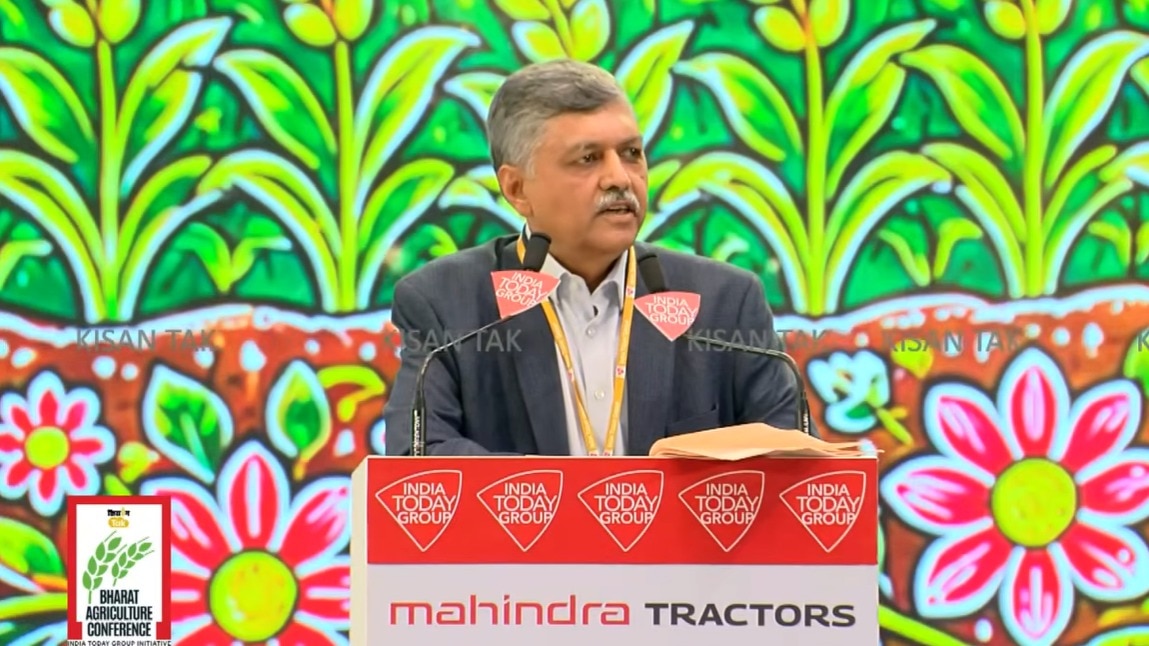
Calling for a shift towards balanced and crop-specific nutrition, Mehta said fertilisers should be treated like medicines for the soil and used in the right quantity rather than applied simply because they are cheap or easily available.Mehta highlighted several challenges facing Indian agriculture, including declining returns from fertiliser use, lower crop productivity and rising government spending on subsidies. India needs to rethink how it uses fertilisers, with excessive and unbalanced application hurting soil health, crop quality and farmers' incomes, SC Mehta, CMD of Deepak Fertilisers and Petrochemicals Corporation Ltd, said at the India Today Group's Kisan Tak Bharat Agriculture Conference.Calling for a shift towards balanced and crop-specific nutrition, Mehta said fertilisers should be treated like medicines for the soil and used in the right quantity rather than applied simply because they are cheap or easily available.FOUR HARSH TRUTHS ABOUT INDIAN AGRICULTUREMehta highlighted several challenges facing Indian agriculture, including declining returns from fertiliser use, lower crop productivity and rising government spending on subsidies.He said the relationship between fertiliser consumption and crop yields had weakened over the decades.
The sweetness of fruits and the taste of food had also changed, reflecting concerns about declining crop quality. Comparing India with China, Mehta said Indian farms continued to lag in productivity.
Wheat yields, in particular, were considerably lower than those achieved by China.He also pointed to the poor nutrient absorption capacity of crops. According to him, plants absorb only a small share of the urea and DAP applied to fields, while the remaining fertiliser can seep into water sources and harm the environment.
Rising fertiliser subsidy expenditure is another concern, he said, as the government continues to spend heavily without achieving the desired improvement in farm productivity.FERTILISERS SHOULD BE TREATED LIKE MEDICINESMehta stressed that farmers need to change their approach towards fertiliser use. He compared fertilisers to medicines, saying people do not take more medicines simply because they are affordable.In the same way, farmers should use fertilisers after understanding what their soil and crops actually need.He also called for agricultural research to move beyond research papers and reach farmers directly.
Scientists, he said, should measure their success by improvements in farmers' incomes.Fertiliser companies, too, need to look beyond manufacturing and selling products. Their focus should be on understanding soil requirements and providing the right mix of nutrients to improve crop productivity.DIRECT SUBSIDY TO FARMERS CAN BRING CHANGEMehta suggested that fertiliser subsidies should be transferred directly to farmers instead of being routed through the existing system.This, he said, would give farmers the freedom to decide which nutrients and fertilisers their fields need.
Once farmers begin demanding better and more suitable products, fertiliser companies will also have to change their approach.He argued that the focus should shift from cheap fertilisers to products that deliver better value and improve farm output.CROP-SPECIFIC FERTILISERS SHOW RESULTSSharing the company's experience in Maharashtra, Mehta said it had developed crop-specific fertilisers by combining primary nutrients with micronutrients and biostimulants.These products were designed to help crops absorb nutrients more effectively. Separate formulations were developed for sugarcane, cotton and onions instead of relying on the same fertilisers for every crop.He said these products had helped improve not just crop yields but also quality.
Sugarcane recorded better sugar content, cotton saw improvements in fibre quality, while onions showed better size and shelf life.The company also conducted demonstrations on farmers' fields to show the difference between conventional and balanced fertiliser use.Mehta said the experience had strengthened farmers' confidence in crop-specific nutrition. He believes that giving farmers greater choice, encouraging scientific farming and promoting balanced fertiliser use can help make Indian agriculture more productive and its farmers more competitive.- Ends